How to Safely Determine Your 1RM Using a Calculator
Your one-rep max (1RM) is the heaviest weight you can lift for a single repetition with proper form. It’s a key number for strength training, helping you set training loads and track progress. Testing your true 1RM can be risky, but MaxCalculator’s 1RM calculator lets you estimate it safely using submaximal lifts. This guide walks you through the process, with safety tips and steps to get accurate.
Why Use a 1RM Calculator?
Directly testing your 1RM—lifting the absolute maximum weight you can handle—can strain your muscles, joints, and nervous system. It’s also not ideal for beginners or those without spotters. A 1RM calculator estimates your max based on a weight you can lift for 3-10 reps, using formulas like Epley or Brzycki. This method is safer, faster, and just as effective for programming your workouts.
- Safety: Avoids the risk of injury from max lifts.
- Accuracy: Estimates within 10% of your true 1RM for most lifters.
- Efficiency: Takes less time than multiple max attempts.
Preparation for Safe 1RM Testing
Before you start, set yourself up for success with these steps:
- Choose Familiar Exercises: Pick movements you’ve mastered, like bench press, squat, or deadlift. Good form is critical to avoid injury.
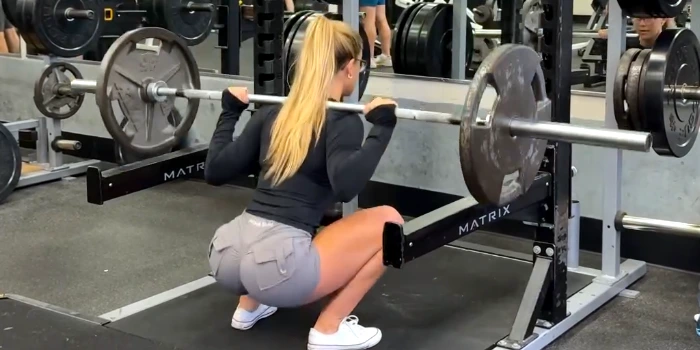
- Use Proper Equipment: Ensure you have a power rack, safety bars, or spotters for free-weight lifts. For bench press, never lift without a spotter or safeties.
- Warm Up Thoroughly: Spend 5-10 minutes on light cardio, then do dynamic stretches (e.g., leg swings, arm circles) to prep your muscles.
- Rest Adequately: Test when you’re fresh, not fatigued from a recent workout. Avoid testing after heavy lifting sessions.
- Check Your Setup: Wear appropriate gear (e.g., lifting shoes for squats) and remove jewelry or loose clothing that could get caught.
Step-by-Step Guide to Estimate Your 1RM
Follow these steps to safely determine your 1RM using MaxCalculator’s 1RM Calculator. We recommend testing with a weight you can lift for 3-6 reps for the most accurate estimate.
- Warm-Up Sets: Start with light weights to prepare your body. Use the table below for a sample warm-up progression for a bench press, assuming you’ll test with ~80% of your estimated 1RM.
- Select a Test Weight: Choose a weight you can lift for 3-6 reps with good form but find challenging. For example, if you can bench 100 kg for 5 reps, that’s a good starting point.
- Perform the Test Set: Lift the weight for as many reps as possible with proper form, stopping when you can’t complete another rep cleanly. Record the weight and reps (e.g., 100 kg, 5 reps).
- Input into a 1RM Calculator: Go to MaxCalculator.com’s 1RM Calculator, enter the weight and reps, and select a formula (Epley or Brzycki). The calculator will estimate your 1RM.
- Rest and Retest (Optional): If you feel the estimate is off, rest 48 hours and retest with a slightly heavier or lighter weight, aiming for 3-6 reps.
Warm-Up Progression Example (Bench Press)
| Set | Weight (% of Estimated 1RM) | Reps | Rest |
|---|---|---|---|
| 1 | 30-40% (e.g., 40 kg) | 8-10 | 1-2 min |
| 2 | 50-60% (e.g., 60 kg) | 5-6 | 1-2 min |
| 3 | 70-75% (e.g., 80 kg) | 3-4 | 2-3 min |
| 4 | 80% (e.g., 100 kg) | 1-2 | 3-5 min |
| Test Set | 80-85% (e.g., 100-110 kg) | 3-6 | - |
Safety Tips for 1RM Testing
Estimating your 1RM is safer than direct testing, but you still need to prioritize safety:
- Always Use a Spotter or Safety Bars: For free-weight lifts, have a trained spotter or set safety bars to catch the weight if you fail.
- Maintain Proper Form: Stop if your form breaks down. Compromised technique increases injury risk.
- Avoid Ego Lifting: Don’t jump to a weight you’re not ready for. Progress gradually.
- Listen to Your Body: If you feel pain or excessive fatigue, stop immediately and rest.
- Test Sparingly: Retest every 6-12 weeks, not weekly, to avoid overtraining.

Frequently Asked Questions
Is estimating 1RM as accurate as testing it directly?
Estimates using 3-6 reps are typically within 10% of your true 1RM, making them reliable for programming. Direct testing is more precise but riskier, especially without experience or spotters.
How often should I test my 1RM?
Test every 6-12 weeks, ideally at the start or end of a training cycle. Frequent testing can lead to fatigue or injury.
Can beginners estimate their 1RM?
Yes, but focus on form first. Beginners should use lighter weights (e.g., 5-10 reps) and work with a coach to ensure safety.
What if my estimated 1RM seems too high or low?
Retest after 48 hours with a different weight or rep range. Factors like fatigue or poor form can skew results. Try different formulas for comparison.
Ready to find your 1RM? Use our 1RM Calculator, explore more Fitness Guides, or Suggest New Tools to make MaxCalculator.com even better!